October 8, 2026
Exploring Classic Comfort Food at a Southern Restaurant in Pittsburgh, PA
By @cruzjcic415
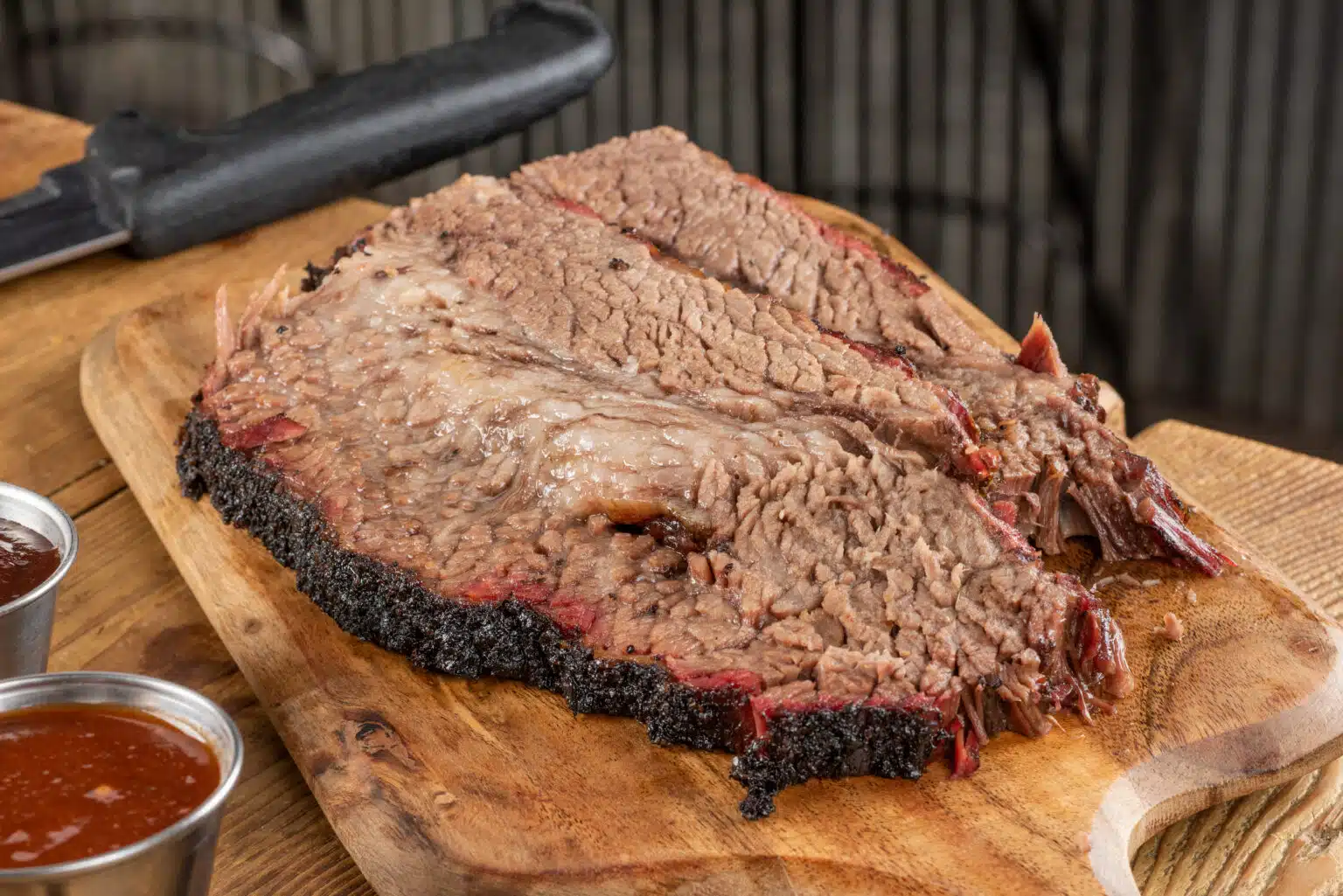
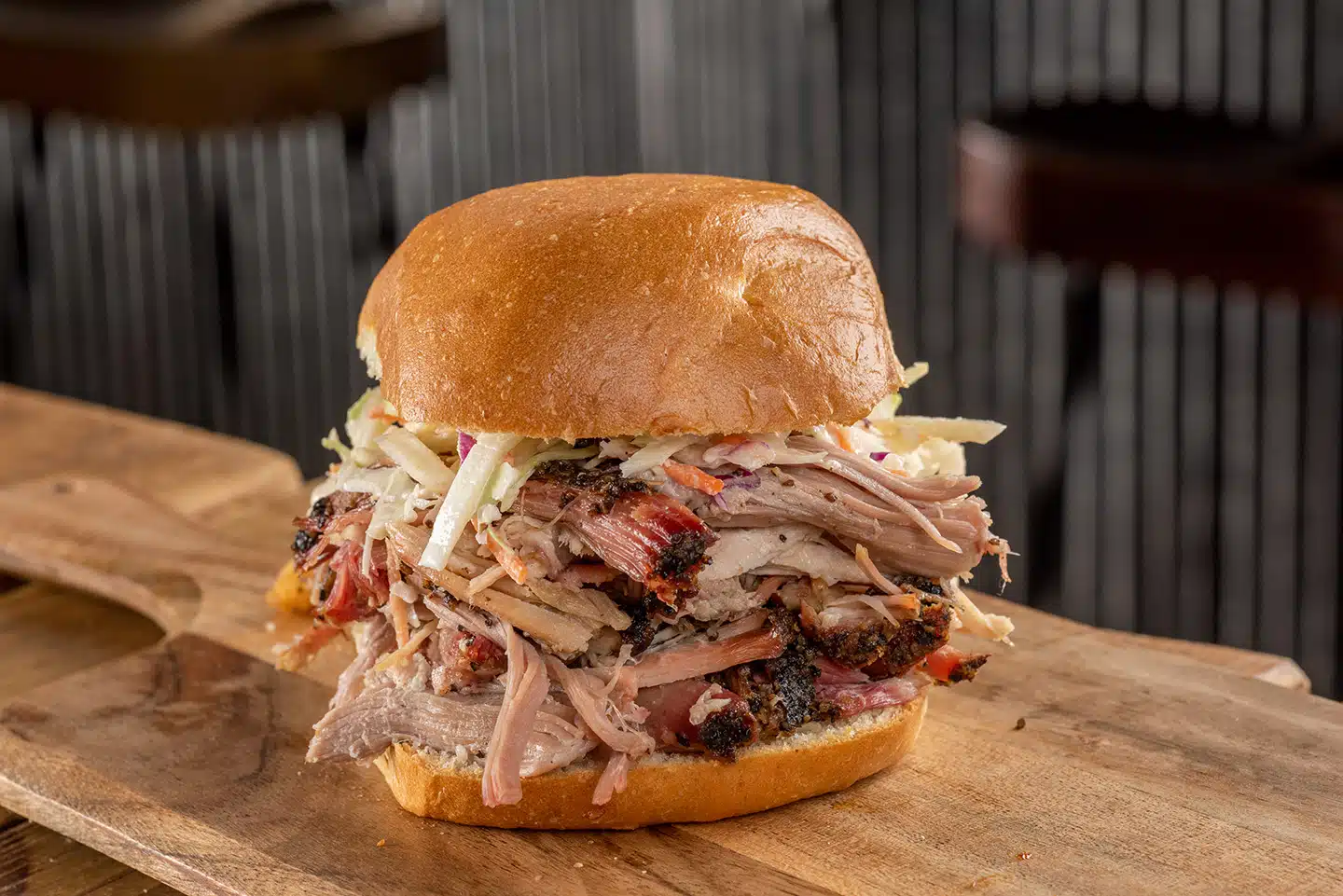
Pittsburgh has always understood hearty food. This is a city that respects stick-to-your-ribs cooking, appreciates honest portions, and does not confuse simplicity with lack of skill. That makes it a surprisingly good place to explore Southern comfort food. At first glance, the pairing may seem geographic rather than culinary, but spend enough time eating around the city and the connection becomes obvious. Pittsburgh diners tend to reward places that cook with patience, season with confidence, and serve food that makes sense on a cold night, after a long workday, or over a slow weekend brunch. Southern food, at its best, does all of that.
A good southern restaurant in Pittsburgh, PA has to do more than copy familiar dishes from another region. It has to interpret them with respect. It has to understand that a proper plate of fried chicken is about crust, seasoning, moisture, and timing, not just size. It has to know that collard greens should taste layered and lived-in, not merely vegetal. It has to recognize that mac and cheese is not a throwaway side, and that biscuits invite scrutiny the moment they hit the table. Pittsburgh diners may be polite, but they know when a restaurant is coasting.
What makes the city interesting right now is that Southern cooking shows up in several forms. Some kitchens lean old-school and traditional, with cast-iron cornbread, shrimp and grits, smothered pork, and banana pudding presented without apology or reinvention. Others pull Southern flavors into a more local frame, using Pennsylvania produce, regional meats, or seasonal menus while keeping the soul of the cuisine intact. Both approaches can work. The difference comes down to judgment.
Why Southern comfort food works so well in Pittsburgh
There is a practical reason Southern food resonates here. Pittsburgh weather invites it. For a good chunk of the year, people want warmth, fat, spice, starch, and depth. They want gravies that cling, braises that hold, and side dishes with actual flavor. A bowl of gumbo or a plate of chicken and waffles makes sensory sense when the air is wet and gray, or when the wind cuts across a bridge and settles into your coat.
But climate only explains part of it. Pittsburgh also has a strong restaurant culture built around neighborhood loyalty. Diners return to the places that feel generous, both in hospitality and on the plate. Southern food thrives in that environment because it rewards consistency. Regulars notice when the biscuit texture changes, when the hot sauce balance drifts, or when the fryer oil is not as clean as it should be. They also notice when a kitchen gets the little things right every single time.
There is another point that matters, especially if you care about food rather than just trend language. Southern cooking is deeply technique-driven. A plate can look rustic and still demand a lot of skill. Frying, brining, braising, seasoning beans, building roux, managing smoke, balancing sweetness in desserts, and baking biscuits that rise tender rather than dense, those are not shortcuts. A serious kitchen respects that. In a city like Pittsburgh, where people respond well to craftsmanship, that technical foundation earns trust.
What separates a good Southern restaurant from a forgettable one
The easiest way to judge a Southern restaurant is to start with the basics and be a little demanding. That is not snobbery. It is fairness. Comfort food often gets mislabeled as easy food, and that gives weak kitchens too much cover.
Fried chicken is the obvious test. The crust should shatter lightly rather than sit like armor. The seasoning has to penetrate beyond the coating, either through brine, dredge, or both. White meat should stay juicy, dark meat should render fully, and everything should arrive hot enough to smell alive. If the breading slides off in one sheet, the kitchen missed something. If the crust tastes flat until you add sauce, it was underseasoned.
Biscuits tell you even more. Good biscuits are delicate but not fragile, rich but not greasy, substantial but not heavy. They should split cleanly by hand and show a layered interior, not a tight, cakey crumb. In practice, biscuits reveal whether a kitchen cares about ingredients staying cold, dough being handled lightly, and timing being precise. They are one of the fastest ways to identify whether the restaurant understands Southern fundamentals or just likes Southern menu language.
Then there are the sides, which in many places matter as much as the main dish. Mac and cheese should not be dry in the center. Grits should be creamy, not merely loose. Greens need acidity, salt, and enough cooking to soften without losing all character. Candied yams should taste like actual sweet potato rather than syrup alone. Black-eyed peas, red beans, dirty rice, cornbread, and slaw all offer chances to build depth or expose shortcuts.
Here are a few signs that usually indicate you are in capable hands:
- The sides feel as considered as the entrees.
- The seasoning is balanced before hot sauce hits the table.
- The kitchen understands texture, especially in fried food and baked goods.
- Sweet dishes finish rich, not cloying.
- The menu has personality without trying too hard to be clever.
That last point deserves a closer look. Some restaurants hide mediocre execution behind novelty. A menu full of mashups can be fun, but Southern comfort food rarely improves when it becomes a gimmick. Fried chicken on a doughnut, bourbon-maple-bacon-whatever, crawfish queso loaded onto fries, sometimes those dishes work, but often they are designed for a photo first and appetite second. Better restaurants know when to stop.
The dishes worth lingering over
If you walk into a southern restaurant in Pittsburgh, PA and want to get a real sense of the kitchen, order with a little strategy. You do not need to sample half the menu, but you should choose dishes that reveal range.
Shrimp and grits is one of the most telling plates. It looks straightforward, but almost every component can fail in small but important ways. The grits should be soft and deeply savory, not watery or bland. The shrimp need a quick, precise cook. The sauce, whether based on stock, cream, tomatoes, tasso, sausage, or pan drippings, should unify the plate rather than drown it. When done well, shrimp and grits offers richness, salinity, sweetness from the shellfish, and enough texture to keep each bite interesting.
Chicken and waffles can be excellent when the restaurant understands contrast. The waffle should be crisp at the edges and tender within, with enough structure to stand up to syrup and butter. The chicken should remain crisp even with those toppings in play. Too many places mistake sugar for balance and end up with a plate that feels chaotic after four bites. The good versions use sweetness sparingly and let spice do part of the work.
Smothered dishes deserve more appreciation than they get. Pork chops in onion gravy, chicken over rice, short ribs with pan sauce, these are not flashy plates, but they often reveal the heart of the restaurant. A well-made gravy tastes developed, not thickened out of panic. The protein should soften into the sauce rather than disappear beneath it. This style of cooking suits Pittsburgh especially well because it feels grounded and unpretentious, which the city generally values.
Seafood can be a little trickier inland, but that does not mean it should be avoided. Gumbo, fried catfish, po'boys, and étouffée can all work beautifully if the kitchen buys carefully and knows its limitations. This is where judgment matters. A restaurant does not need to offer every Gulf Coast staple to prove legitimacy. In fact, restraint is often a good sign. A focused menu usually indicates that the kitchen is cooking what it can execute consistently.
Dessert is not an afterthought in Southern cooking, and it should not be skipped if the meal has gone well. Banana pudding is still one of the best restaurant desserts when made fresh and assembled with balance. Peach cobbler can be wonderful when the fruit retains shape and acidity. Bread pudding, chess pie, pecan pie, and hummingbird cake all reward kitchens that understand sweetness should have edges, whether from salt, spice, bitter caramel, citrus, or dairy.
Pittsburgh’s local lens on Southern food
The best restaurants in this category do not ignore where they are. They absorb the city around them. You can often see that in sourcing, menu structure, and service style. A kitchen in Pittsburgh might bring local seasonal produce into side dishes, use regional farms for poultry and pork when possible, or adjust menus around what people here actually want to eat on a Tuesday night versus a celebratory Saturday brunch.
That local adaptation is not a compromise. It is part of what keeps the food from feeling imported in the wrong way. Southern cuisine has always been regional, practical, and shaped by what is available. There is no contradiction in making biscuits with care in Pennsylvania, or serving braised greens that reflect local seasonality while still honoring Southern technique.
Brunch is one place where this crossover becomes especially visible. Pittsburgh diners love brunch, sometimes to the point of theatrical devotion, and Southern menus lend themselves naturally to it. Biscuits with sausage gravy, chicken and waffles, shrimp and grits, pimento cheese, hot honey, fried green tomatoes, and griddled cornbread all sit comfortably in that space. The challenge is keeping brunch from turning into excess for its own sake. The better spots preserve enough sharpness and restraint to keep the food satisfying rather than https://devinojcc501.moderncairn.com/posts/why-southern-restaurant-pittsburgh-pa-is-ideal-for-casual-dining sleepy.
There is also a social dimension to these restaurants. Good Southern dining rooms often carry an ease that suits Pittsburgh neighborhoods. Service tends to matter just as much as the food because comfort food without hospitality feels incomplete. You want staff who can guide a table, explain spice levels honestly, know whether the greens lean smoky or vinegary, and tell you if the kitchen’s strength lies in barbecue, frying, or braising. That kind of service creates repeat business more reliably than décor ever will.
How to order if you want the best experience
A lot of people make the same mistake at Southern restaurants. They over-order rich dishes without thinking about contrast. The result is a table full of beige heaviness and not much relief. A better meal has variation. If the entree is fried, choose a side with acid or bitterness. If the main is smothered or creamy, add something crisp. If you are sharing, aim for a few textures and temperatures rather than doubling up on starch.
A sensible order for two might include one fried item, one braised or grilled item, a biscuit or cornbread to test the kitchen, a green vegetable, and one indulgent side such as mac and cheese or grits. That gives you a broader look at the menu while keeping the meal balanced enough to enjoy through the last bite. It also tells you more about the restaurant than ordering only the obvious crowd-pleasers.
There is a time factor, too. Fried food is almost always best when the dining room is steady and the kitchen is in rhythm, but not slammed beyond reason. Brunch peaks can sometimes punish delicate dishes. On the other hand, some restaurants clearly treat brunch as a specialty and sharpen their systems accordingly. If you are unsure, ask. A good server will usually tell you which dishes the kitchen nails every day and which ones shine at a certain service.
One more practical note, especially relevant in Pittsburgh where parking, weather, and neighborhood traffic can shape a night out: Southern comfort food tends to be more satisfying when you can relax into the meal. If the restaurant is in a busy corridor and your reservation leaves you rushed, you may not enjoy it as much as you would in a slower setting. This cuisine asks for a little time. Not ceremony, just time.
Common disappointments, and why they happen
When Southern food misses, it usually misses in predictable ways. Sometimes a restaurant seasons timidly because it is trying to appeal to everyone. That caution drains life from the plate. Southern cooking should not be aggressively spicy by default, but it should be definite. Salt, pepper, acid, smoke, aromatics, and heat all need to register.
Another common problem is overbuilding. A kitchen starts with a good dish, then stacks on too many sauces, garnishes, and novelty elements. Fried chicken does not need five toppings. Shrimp and grits does not improve just because someone added truffle oil. Biscuits do not benefit from becoming dessert before the meal even begins. The food should feel generous, not burdened.
Timing errors can be brutal in this category. A biscuit held too long dries quickly. Fried food suffers fast on a pass. Grits can tighten or break. Gravies form skins. Seafood toughens. This is why some Southern restaurants feel brilliant one visit and merely fine the next. Consistency depends on strong kitchen systems, not just good recipes.
Portion size causes trouble as well. People often expect Southern restaurants to serve very large plates, and many do. But oversized portions can mask imbalance. A mountain of food does not help if the seasoning is vague or the textures repeat. In fact, a slightly more restrained plate often shows more confidence. The goal is satisfaction, not surrender.
What to look for on the menu, especially in Pittsburgh
Because the city’s dining scene is varied, menus can range from traditional to hybrid. Neither approach is inherently better. What matters is whether the menu understands its own identity.
Look for signals of intent. If a restaurant offers a compact selection of classics and executes them well, that can be a strong sign. If it mixes Southern staples with local ingredients or seasonal specials, check whether those combinations seem thought through rather than random. Menus that read like they were written by cooks tend to feel different from menus assembled by marketing instinct.
These details often point you in the right direction:
- A focused selection of sides with clear flavor profiles.
- House-made biscuits, cornbread, sauces, or desserts.
- A few signature dishes the staff can describe with confidence.
- Seasonal variation that makes practical sense.
- Restraint in trend-driven add-ons and unnecessary mashups.
Drink programs matter more than people admit. Sweet tea, if offered, should be treated seriously. Cocktails that lean on bourbon, rye, citrus, or spice can complement the food beautifully when mixed with balance. Beer lists should account for the richness of the menu. In Pittsburgh, with its strong local brewing culture, that pairing can be one of the nicest parts of the meal, especially with fried or smoked dishes.
The atmosphere matters, but not in the way people think
A southern restaurant in Pittsburgh, PA does not need reclaimed wood, mason jars, or performative nostalgia to feel right. Atmosphere matters, but mostly as an extension of clarity. You want a room that understands what kind of meal it is serving. If the menu is rooted in comfort and generosity, the dining room should allow people to settle in. Noise, lighting, pacing, and service all shape how the food lands.
Some of the best meals in this category happen in rooms that are relatively simple. A comfortable banquette, warm lighting, attentive service, and enough space to hear your table are often more valuable than any decorative cue. Southern food already carries sensory weight. The restaurant does not need to shout over it.
That said, there is room for polish. Upscale Southern restaurants can succeed in Pittsburgh when they stay anchored in flavor and hospitality rather than chasing precious presentation. Crisp white plates and a stronger wine list are fine. Tiny portions and overworked plating are less convincing. This food can be elegant, but its elegance should come from confidence, not stiffness.
Why classic comfort food still earns its place
Food trends come and go with exhausting speed. Comfort food survives because it answers a basic need. People want meals that taste cared for. They want dishes with memory in them, even if the memory is borrowed through restaurant experience rather than family history. They want to sit down in a city like Pittsburgh, where weather, work, and routine can be demanding, and eat something that feels complete.
Southern cooking delivers that when it is done with respect. It is not just rich food. It is structured food. It balances crunch and tenderness, smoke and sweetness, creaminess and acid, abundance and restraint. The best versions carry history without becoming museum pieces. They feed appetite, but they also communicate values: patience, resourcefulness, hospitality, and craft.
That is why seeking out a strong southern restaurant in Pittsburgh, PA is worth the effort. When the kitchen gets it right, you do not just leave full. You leave feeling that the meal understood exactly what it was supposed to be. In a city that appreciates substance, that kind of cooking tends to last.
Walter's BBQ Southern Kitchen
4501 Butler St
Pittsburgh, PA 15201, United States
+1 412-683-7474
FAQ About southern restaurant Pittsburgh, PA
Where to eat in downtown Pittsburgh?
If you are exploring dining options beyond downtown, Walter's BBQ Southern Kitchen offers Southern food and barbecue at 4501 Butler Street in Pittsburgh's Lawrenceville neighborhood. It is outside downtown, so allow travel time when planning your visit.
What is a must eat in Pittsburgh?
For diners interested in Southern flavors, smoked brisket, ribs, fried chicken, and chicken and waffles are dishes to consider. Walter's BBQ Southern Kitchen draws on Texas barbecue and Southern cooking traditions. Check the current menu for the dishes available during your visit.
What are some of Pittsburgh's unique restaurants?
Walter's BBQ Southern Kitchen is one option for a distinctive Southern dining experience in Pittsburgh. Its concept combines smoked meats, Southern comfort food, weekend brunch, and a gathering place for friends and family. The restaurant is located on Butler Street in Lawrenceville.
❧